DLMM Foundation Get involved
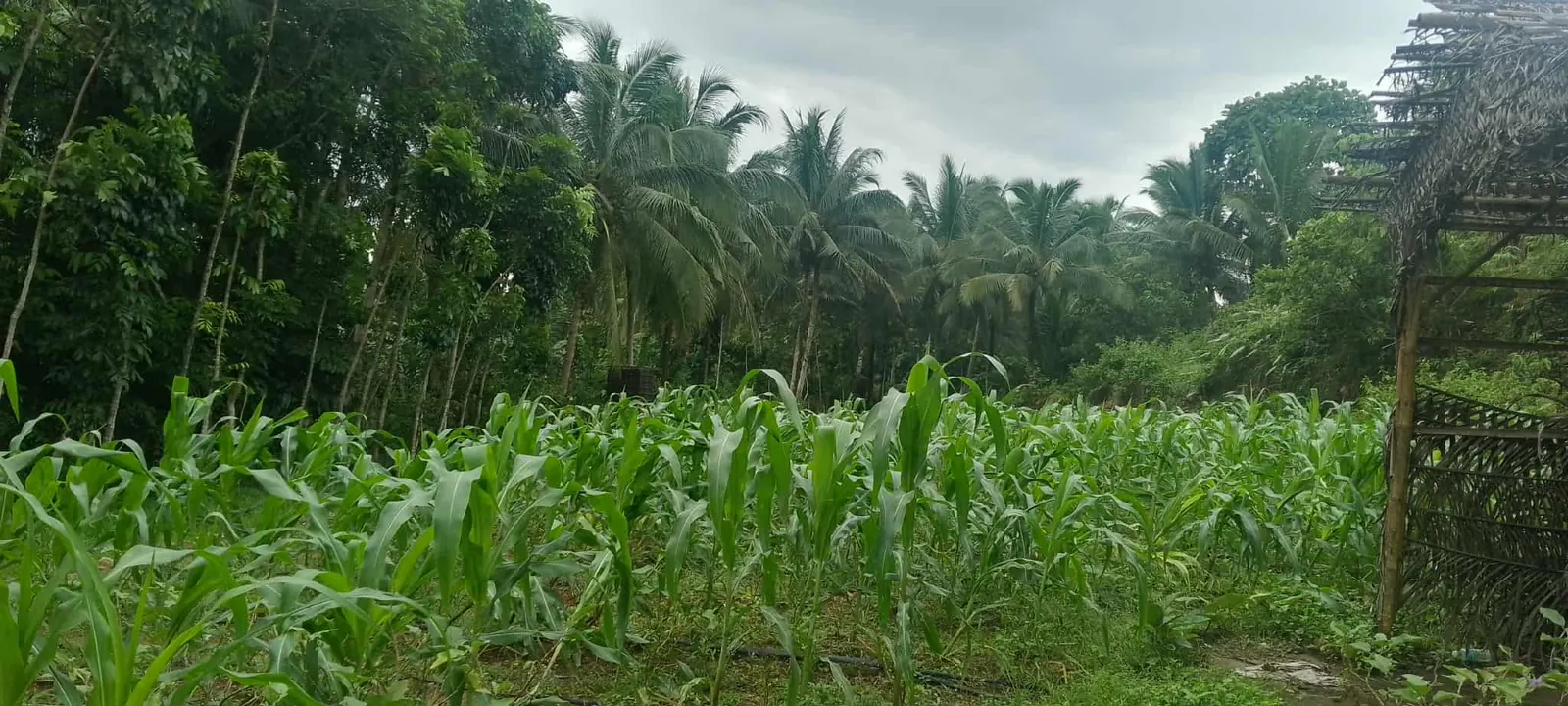
Rows of young corn growing at AINA Integrated Farm in Pagbilao, Quezon, with coconut palms behind.
DLMM Foundation emblem: a tree whose roots form a heart, held in open hands, with an elder and child beneath its leaves.

A Hawaiʻi 501(c)(3) nonprofit

Rooted in aloha.
Growing futures.

We care for orphaned children, elders and the land, from our islands to the Philippines, by feeding bodies, nurturing souls and teaching people to grow their own way out of poverty.

One mission, two shores

A bridge of care across the Pacific

DLMM Foundation was forged from a simple conviction: that the young and the old should never be left alone. We connect Hawaiʻi and the Philippines to answer three needs at once: vulnerable children who need a family, elders who need purpose, and land that needs protecting.

We go beyond charity. Our goal is to build ecosystems of care: places where orphans find family, elders find purpose, and whole communities learn to thrive in harmony with nature.

Our partner Kamaaina Healthcare Services (DLMC, Inc.) provides the administrative and financial backbone, so more of every gift reaches the people we serve.

Map line from Hawaiʻi to Pagbilao, Quezon An arc crosses the Pacific Ocean from the Hawaiian Islands in the east to Pagbilao in Quezon province, Philippines, in the west. Hawaiʻi Strategy, funding, governance Pagbilao, Quezon Care, farm and farm school about 5,300 miles of Pacific Ocean
Hawaiʻi provides the vision, funding and oversight. In the Philippines, partners on the ground turn it into meals, classrooms and gardens.

“Start by doing what’s necessary; then do what’s possible; and suddenly you are doing the impossible.”

St. Francis of Assisi

These words are the shape of our work. Scroll on to see how each step becomes a program.

Our three programs

Step one: do what’s necessary

Aloha Roots

Child and elder wellness: the circle of life

Before anyone can learn or build, they need to eat and to feel that someone cares. Aloha Roots looks after the two groups most often left behind: the very young and the very old. It bridges the gap between generations, easing an elder’s loneliness while giving a child guidance.

  • Nutritional security. Nourishing, locally grown meals for homeless people, low-income families and isolated elders.
  • Intergenerational connection. Activities where elders mentor youth, building respect on both sides and fighting isolation.
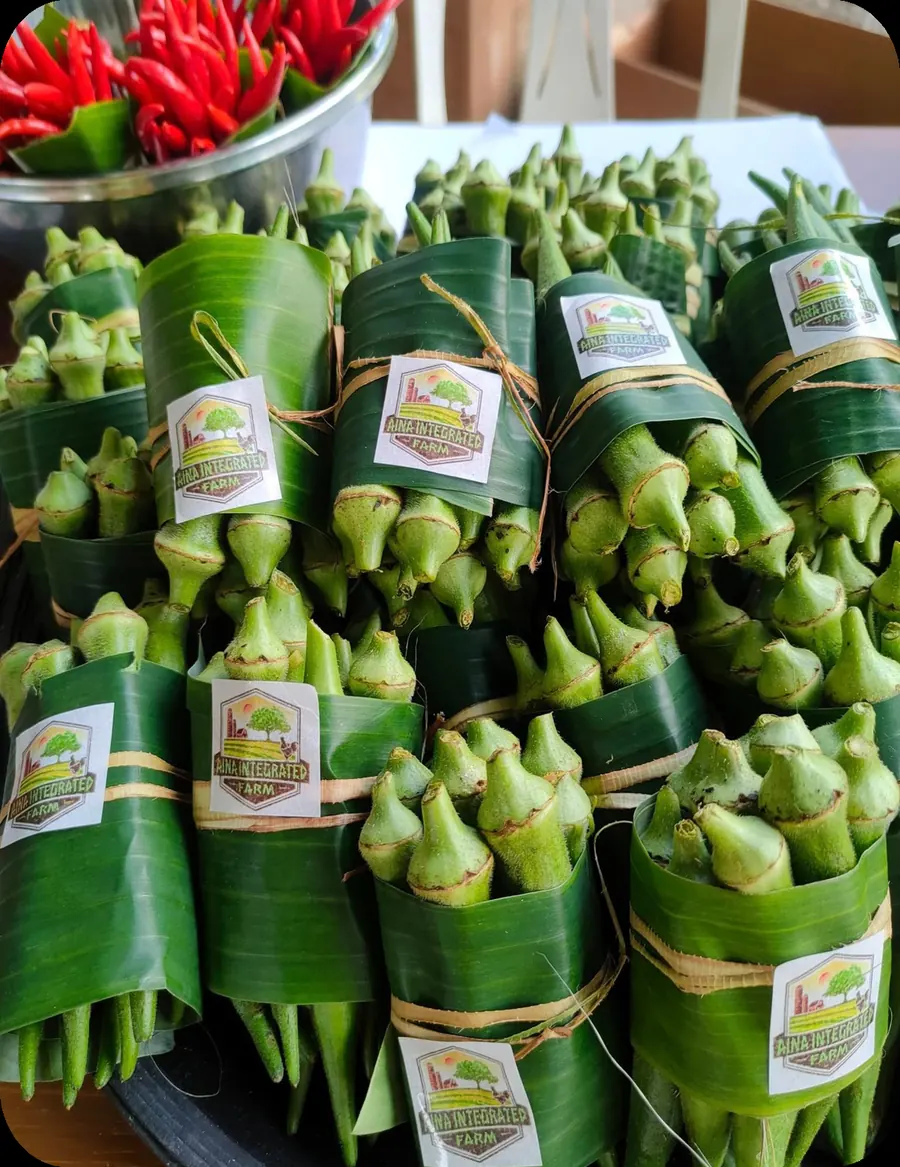
Bundles of fresh okra wrapped in banana leaves and labeled by AINA Integrated Farm, with red chilies behind.
Farm-fresh food, wrapped in banana leaf. The farm is the program’s “central pantry”: chemical-free vegetables, tilapia, free-range eggs and honey.

Step two: do what’s possible

Faith & Futures

Education and empowerment: tools for independence

Aid sustains a life; education transforms it. Faith & Futures gives children and young adults a ladder out of poverty and toward independence.

  • Vocational training. Practical skills in agriculture, modern technology and caregiving, so graduates can find work.
  • Leadership development. Faith-based mentoring that grows the next generation of servant leaders.
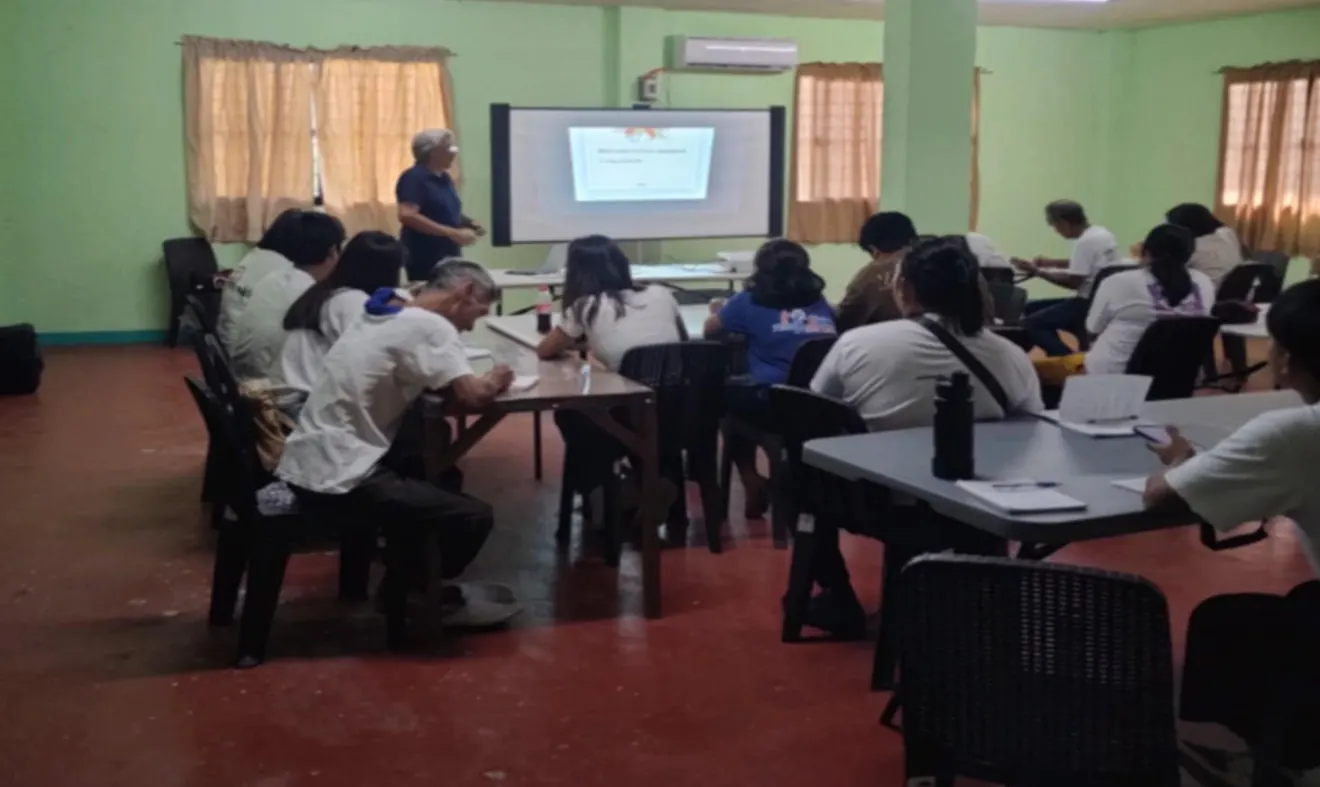
Adult learners seated at tables in a bright classroom, watching a presentation on a screen.
A training session at the farm’s learning center.

Step three: suddenly, the impossible

One Crop, One Community

Sustainable farming and food security: growing self-reliance

Our long-term goal is to move communities from scarcity to abundance, and from depending on aid to feeding themselves. We picture self-sustaining villages built around cooperative farming.

  • Permaculture and gardens. Community gardens and training in sustainable growing methods.
  • Eco-stewardship. Youth-led green projects that teach young people to protect the land they live on.
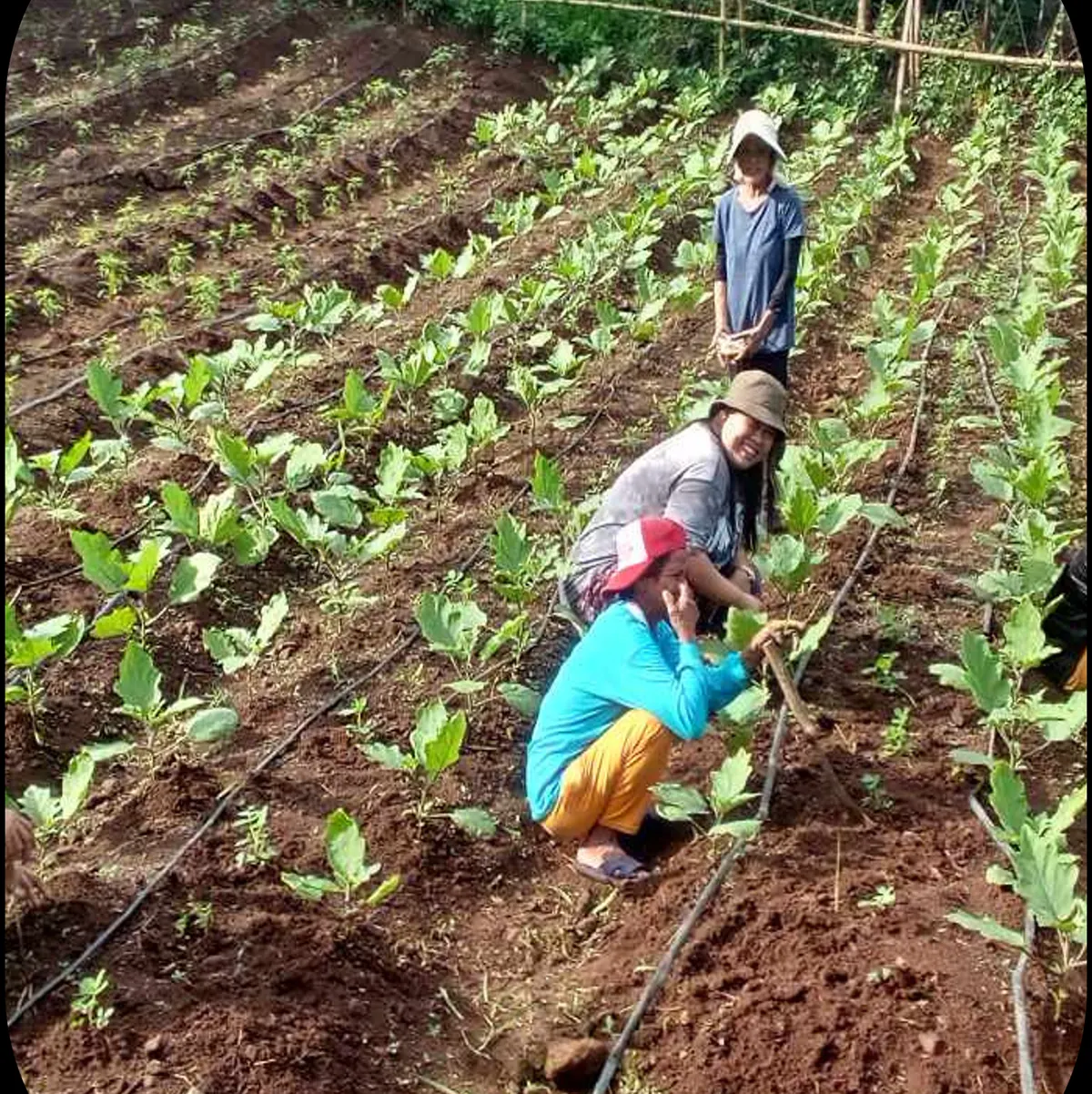
Farmers kneeling between long rows of young plants, setting seedlings into dark soil.
Planting day. Every garden starts the same way: one row at a time.

Mission and vision

Our mission · what we do

Rooted in aloha and inspired by faith, the DLMM Foundation dedicates itself to nurturing, educating and empowering orphaned children and underserved communities through holistic care, sustainable practices and compassionate community building.

Our vision · the future we seek

A compassionate world where every child and elder is cared for with love and dignity, and where communities unite to protect and preserve the natural environment for generations to come.

Our core values

Seeds of hope, watered by wisdom, thriving together

Inside the mother farm

On a farm that wastes nothing, every step feeds the next

AINA Integrated Farm in Pagbilao, Quezon is where our three programs meet the ground. It is an organic, farm-to-table operation, supported by lay missionaries Sister Diana G. Nieva and Sister Leticia F. Dexter, built on one belief:

“No Filipino will go hungry if they diligently plant.”

  • Phil-GAP certified for Good Agricultural Practices
  • ATI Learning Site for Agriculture
  • TESDA accredited farm school

Choose a step to see how the cycle works.

1 · Farm waste is a resource

Crop trimmings, fallen leaves and animal manure are collected instead of burned or thrown away. On this farm, waste from one unit becomes fuel for the next.

2 · Worms turn it into compost

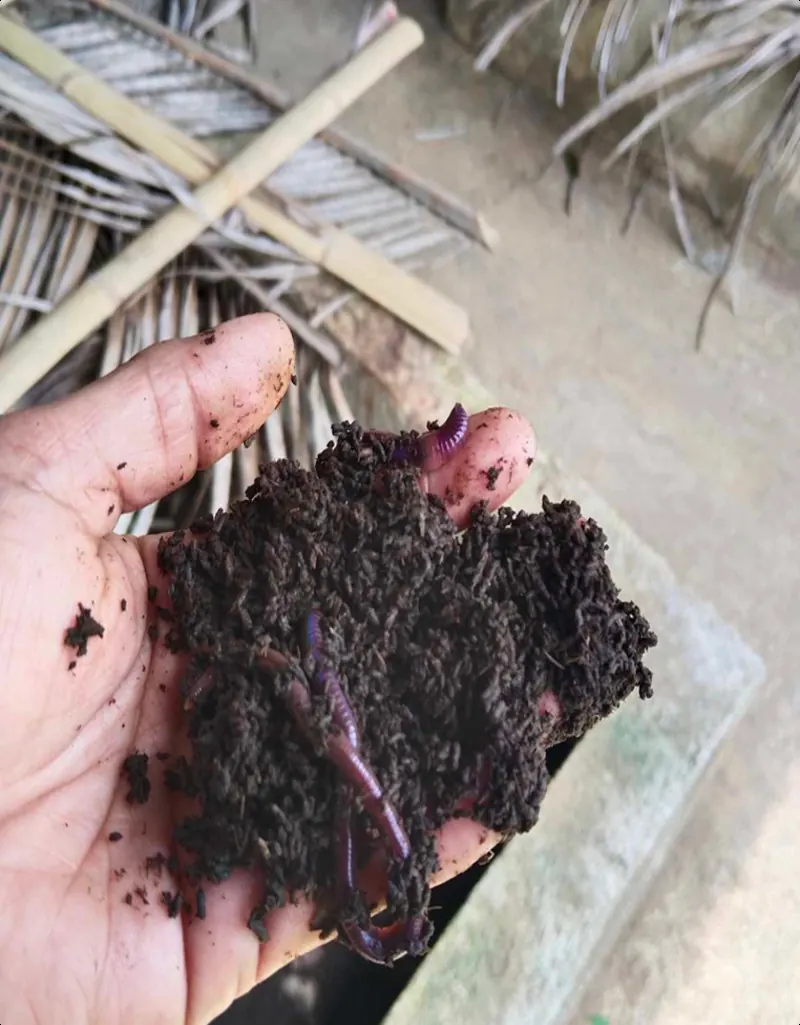
In vermicomposting, earthworms eat organic waste and leave behind “castings,” a dark, crumbly fertilizer full of nutrients. The farm’s composting facility was supported by the Bureau of Soils and Water Management.

3 · Living soil, without chemicals

The farm brews its own natural inputs, such as FPJ (fermented plant juice, made from young plant shoots and sugar) and IMO (indigenous microorganisms, helpful microbes collected from local forest soil). They feed the soil instead of costly synthetic fertilizer.

4 · A harvest with many layers

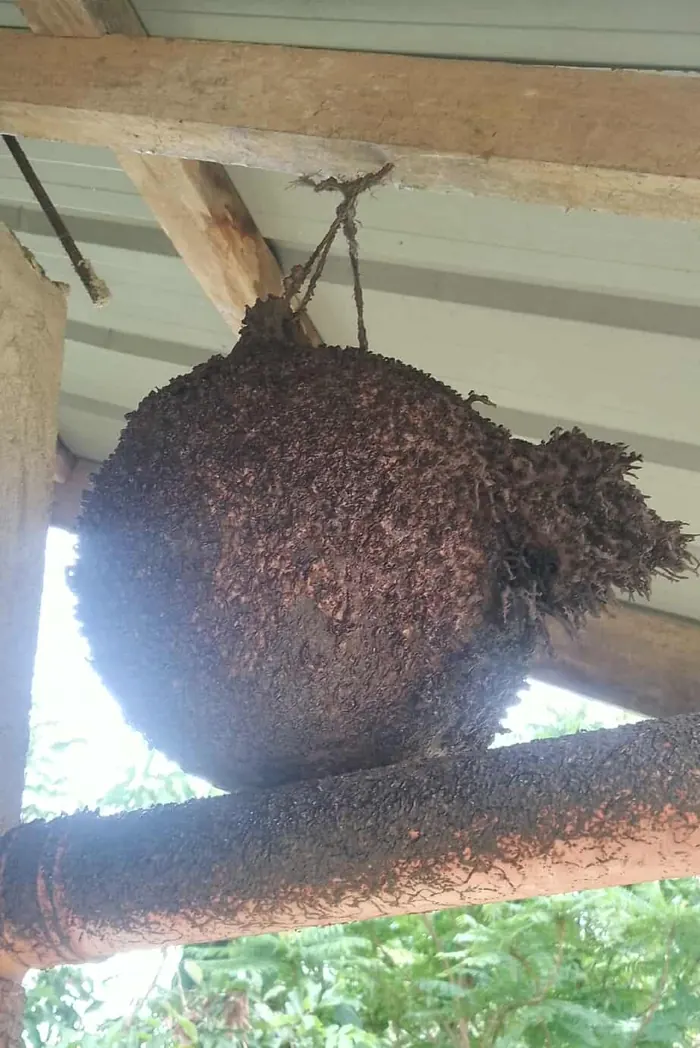
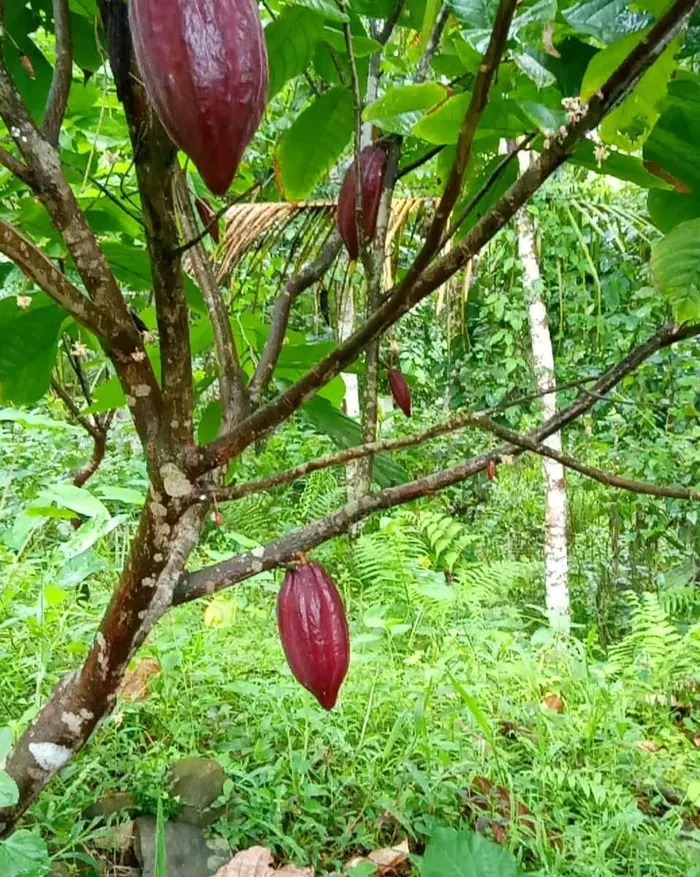
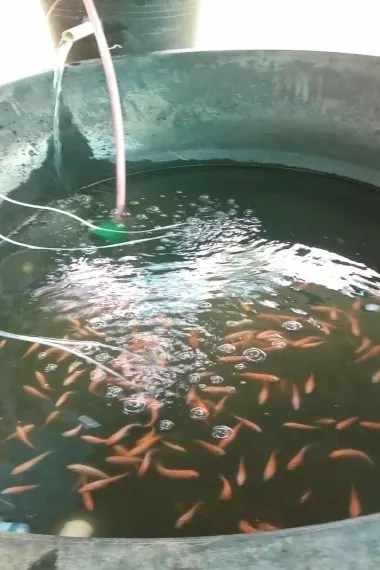
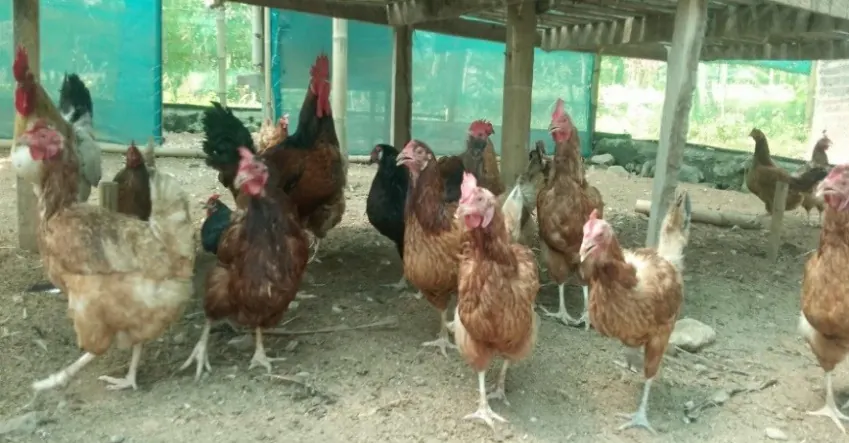
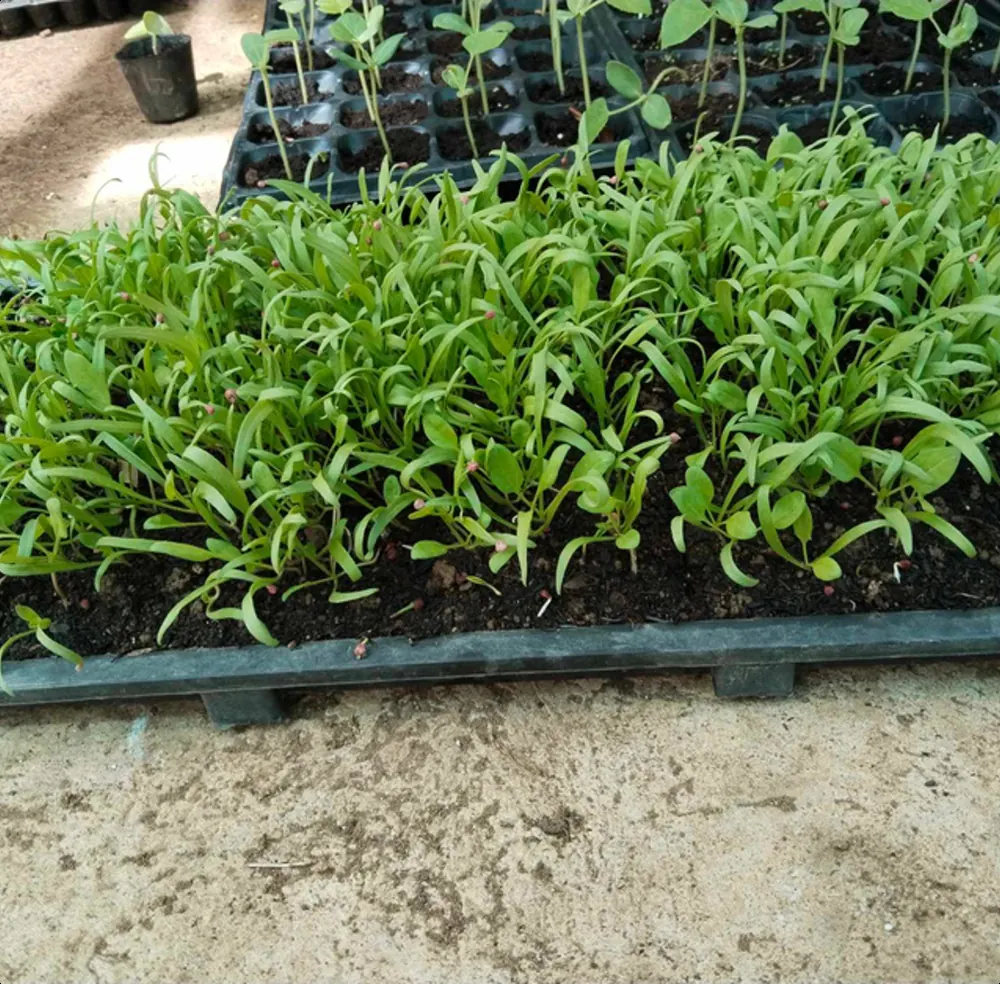
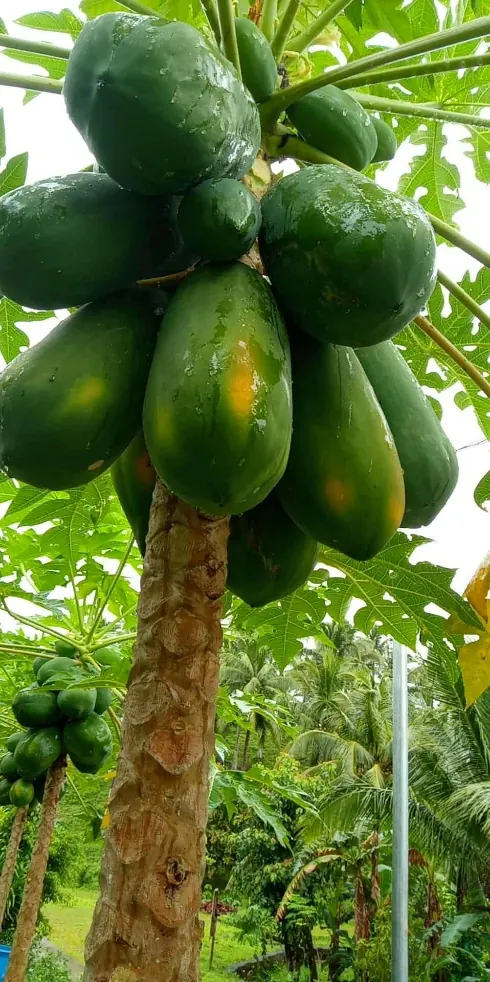
Vegetables, papaya, dragon fruit and cacao grow beside free-range chickens, tilapia ponds and stingless bees. The bees make honey and pollinate the crops, which raises yields.

5 · Food becomes meals

The harvest supplies Aloha Roots feeding programs with food that is fresh, nutrient-dense and safe. Our plan is to buy the farm’s surplus at a fair price, so the money flows back into the farm while it feeds the community.

6 · Knowledge becomes new gardens

The farm doubles as a living classroom. Students learn these methods, and starter packs carry them to new community gardens, where the whole cycle begins again.

Governance and transparency

“Data-driven benevolence”

Good intentions are not enough. We hold ourselves to clear measures and open records, so supporters can see what their help makes possible.

What we measure

Scale
Meals served, people educated and crops harvested.
Efficiency
Volunteer hours given, and how much funding goes directly to programs.
Depth
Community feedback, satisfaction surveys and long-term success stories.

How we stay accountable

  • IRS-recognized 501(c)(3) tax-exempt nonprofit
  • Annual IRS Form 990-N filing
  • Annual report to the Hawaiʻi Department of Commerce and Consumer Affairs
  • Board meets quarterly; conflict-of-interest, financial-oversight and ethics policies
  • Bylaws, minutes and financial records kept and maintained

Board of directors

  • Diana NievaPresident
  • Leticia DexterVice President
  • Andre ValentineSecretary / Treasurer

The board is responsible for strategic planning, financial oversight and regulatory compliance.

Join our circle of care

Our support comes from a steady partner, generous people and community events. There is room for you in all three.

Send us a message

All fields are required. We reply by email, usually within a few days.

Your message to DLMM Foundation

Up to 4,000 characters.

We use your details only to reply. The form sets one short-lived security cookie and keeps no copy of your message on this website.